Japan (via Portugal, 16th century)
Tempura
Ice-cold batter, hot oil, lacy crust — a Japanese refinement of a Portuguese technique.
In repertoire since Mar 2026
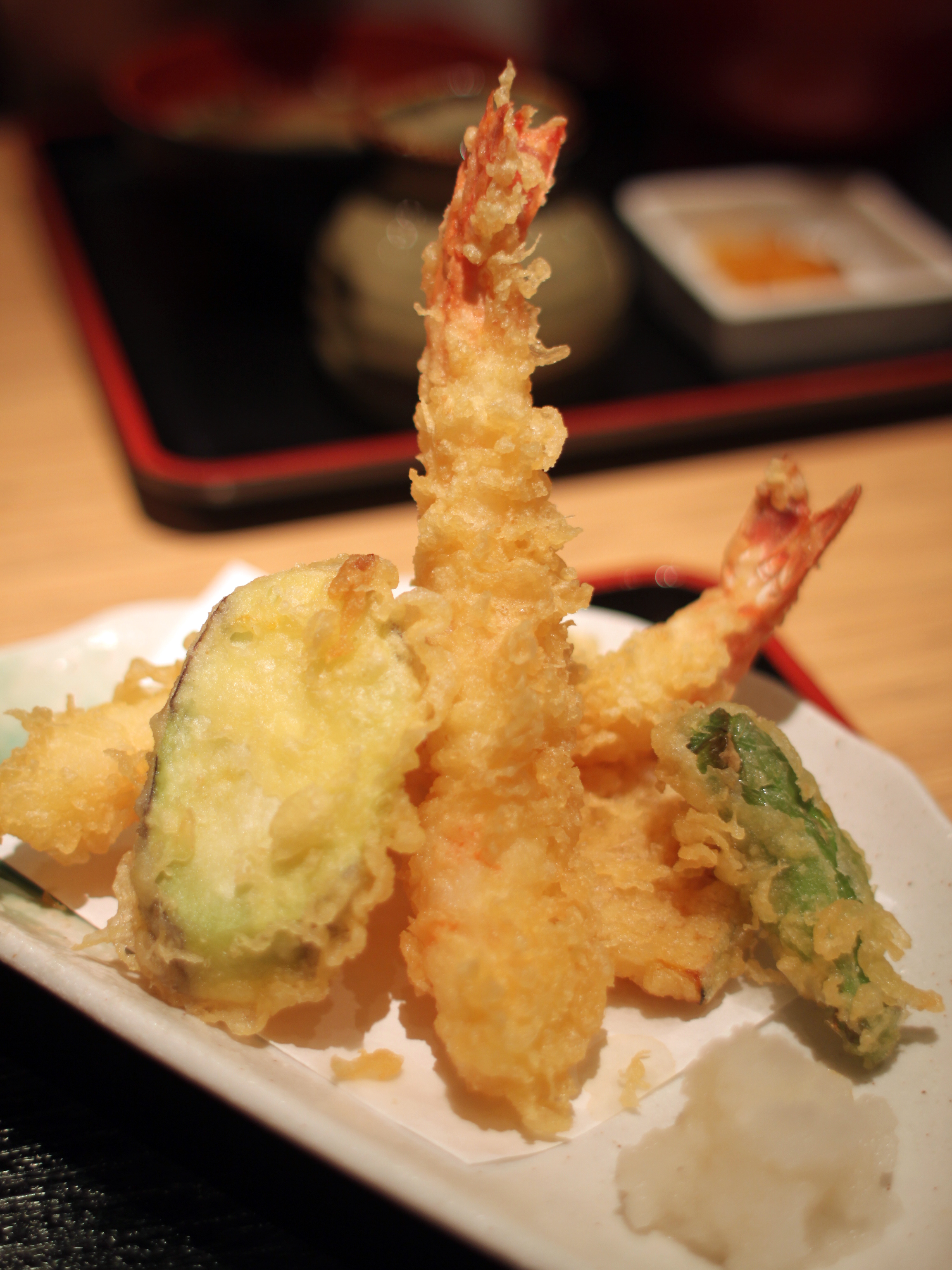
A loanword dish.
Tempura takes its name from the Portuguese *tempora* — the four ember days of Catholic fasting when meat was forbidden but battered vegetables were not. Iberian missionaries brought the technique to Nagasaki in the 1500s; Japan kept it, refined it, and made it definitively Japanese. The lacy, almost-translucent crust that distinguishes proper tempura from any other battered fry is a 400-year Japanese improvement on what arrived from Lisbon.
2 · Plant
Then, the plants.
Each ingredient held water and minerals, built sugar out of light over weeks or months, ripened, and was picked. A few ingredients (salt, water) came from a different elemental story.
- Ingredient
Large prawns
12 large prawns, peeled with tails on, deveined, sliced underside (so they don't curl)
Origin not yet authored
- Ingredient
Sweet potato
1 small sweet potato, peeled and sliced 5 mm thick
Origin not yet authored
- Ingredient
Kabocha squash
200 g kabocha squash, seeded, sliced 5 mm thick
Origin not yet authored
- Ingredient
Shiitake mushrooms
8 shiitake mushrooms, stems removed
Origin not yet authored
- Ingredient
Eggplant
1 small Japanese eggplant, halved lengthwise, scored
Origin not yet authored
- Ingredient
Shiso leaves
8 large shiso leaves
Origin not yet authored
- Ingredient
Tempura flour
200 g tempura flour (or 150 g cake flour + 50 g cornstarch)
Low-protein flour minimises gluten development. Cake flour works; bread flour does not — too chewy.
Puglia wheat farm - Ingredient
Ice water
300 ml ice water (with ice cubes in the measuring jug)
Cold is structural. The cold batter hitting hot oil creates the famously lacy crisp shell.
Origin not yet authored
- Ingredient
Egg
1 large egg, lightly beaten
Origin not yet authored
- Ingredient
Neutral oil
1.5 L neutral oil (or 50/50 with sesame oil for fragrance)
Origin not yet authored
- Ingredient
Dashi
300 ml dashi
Origin not yet authored
- Ingredient
Mirin
60 ml mirin
Origin not yet authored
- Ingredient
Grated daikon
100 g grated daikon, drained
Origin not yet authored
- Ingredient
Grated ginger
1 tbsp grated ginger
Origin not yet authored
3 · Cook
Then, the kitchen.
Heat, time, salt, fat, acid — the recipe that turns the ingredients into something more than their sum.
4 · Plate
Japan (via Portugal, 16th century)
Tempura
Ice-cold batter, hot oil, lacy crust — a Japanese refinement of a Portuguese technique.
The dish that teaches what crisp actually means. A properly-fried tempura is structurally crisp — the lacy crust holds its texture even after the bite begins — because the cold batter shock-fries against the hot oil, trapping bubbles in a hardened starch shell.
Most Western tempura batters are too thick, too well-mixed, and too warm. The result is fritto — a battered fry — not tempura. The line between the two is the texture of the crust five seconds after the bite.
Eat standing at the counter.
Tempura is a counter dish. A *tempura-ya* chef will fry one piece at a time, lift it from the oil with chopsticks, place it on the kaishi paper in front of you, and immediately start the next piece. The window between fry and bite is meant to be seconds, not minutes.